Taking a nervous or first-time child to the dentist
By Janice · Updated 2026-07-29
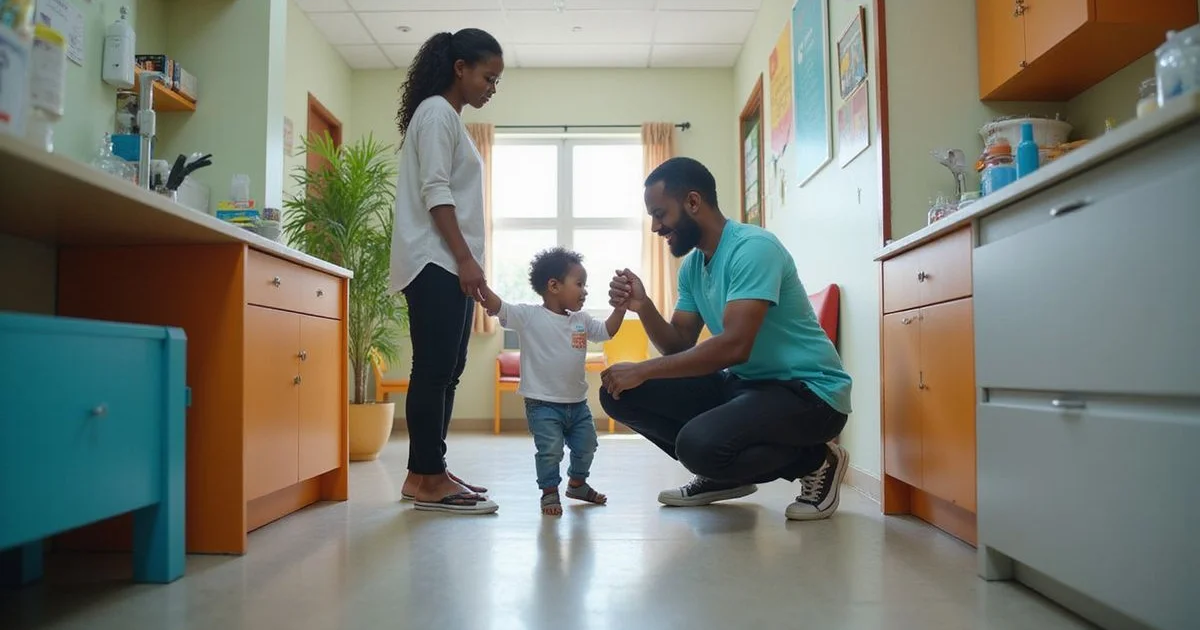
A first visit to a pediatric dentist sets the tone for how your child feels about dental care for years to come. A little preparation, and choosing a clinic genuinely comfortable with children, makes a bigger difference than most parents expect. If you are not sure yet when that first visit should even happen, the guide on what age kids should first see a dentist covers the general timing.
Preparing your child before the visit
- Use neutral, simple language. Say the dentist checks and cleans teeth. Avoid words like pain, hurt, or shot, even in reassurance, since children pick up on the fact that those words exist to be denied.
- Read or watch something age-appropriate about visiting the dentist beforehand. Familiarity reduces fear of the unknown.
- Practice at home. Let your child count your teeth with a soft toothbrush, or take turns being the dentist and the patient, so the idea of someone looking in their mouth feels normal.
- Pick a good time of day. A well-rested, well-fed child handles a new experience better than one who is tired or hungry.
- Avoid over-promising. Do not promise there is nothing to worry about; instead, be honest that it might feel a little strange but you will be right there.

What a genuinely child-friendly clinic looks like
| Sign | Why it matters |
|---|---|
| Staff who speak directly to the child, not just the parent | Builds the child’s own trust and sense of involvement |
| Willingness to go slowly, or stop and retry another day | Prevents a scary experience from becoming a lasting fear |
| A welcoming, unrushed waiting area | Sets a calmer tone before the visit even starts |
| Clear explanations of each step, even to a young child | Reduces fear of the unknown |
| Patience with a crying or reluctant child | A sign of real pediatric experience, not just a general dentist seeing kids occasionally |
During the visit
Most first visits are short and light: counting teeth, a gentle look around, maybe a simple cleaning if the child is comfortable. A good pediatric dentist reads the child’s comfort level in real time and adjusts, rather than pushing through a full checklist regardless of how the child is coping. If your child needs a break, or the appointment needs to end early and pick up another day, that is a reasonable outcome, not a failure.
If your child had a rough first experience
One difficult visit does not have to define how your child feels about the dentist long-term. A calm conversation about what felt scary, choosing a different, more patient provider if needed, and framing the next visit as a fresh start all help. Consistency across a few good visits in a row tends to matter more than any single perfect one.
Explore our directory of pediatric dental clinics in Ghana to find providers reviewers describe as gentle and patient with children.
See our methodology for how we evaluate pediatric dentistry providers on this site.
FAQ
- How should I talk to my child about their first dentist visit?
- Keep it simple and matter-of-fact: the dentist counts teeth and helps keep them strong. Avoid words like pain, shot, or hurt, even to reassure them it will not happen, since naming the fear can plant it.
- What if my child cries or refuses to open their mouth?
- This is common and a pediatric dentist has usually seen it many times. A patient provider will slow down, let the child sit in a parent's lap if needed, or try again another day rather than forcing the exam.
- Should I stay in the room during my child's appointment?
- For young or first-time patients, most pediatric dentists welcome a parent staying close by, since it is reassuring for the child. Ask the clinic's preference when you book.
- Is it normal for a child to be scared even after a good first visit?
- Yes, and it usually improves with repeated positive visits. One good experience does not erase all anxiety immediately, but a pattern of calm, unhurried visits builds real trust over time.